Books that inspired me
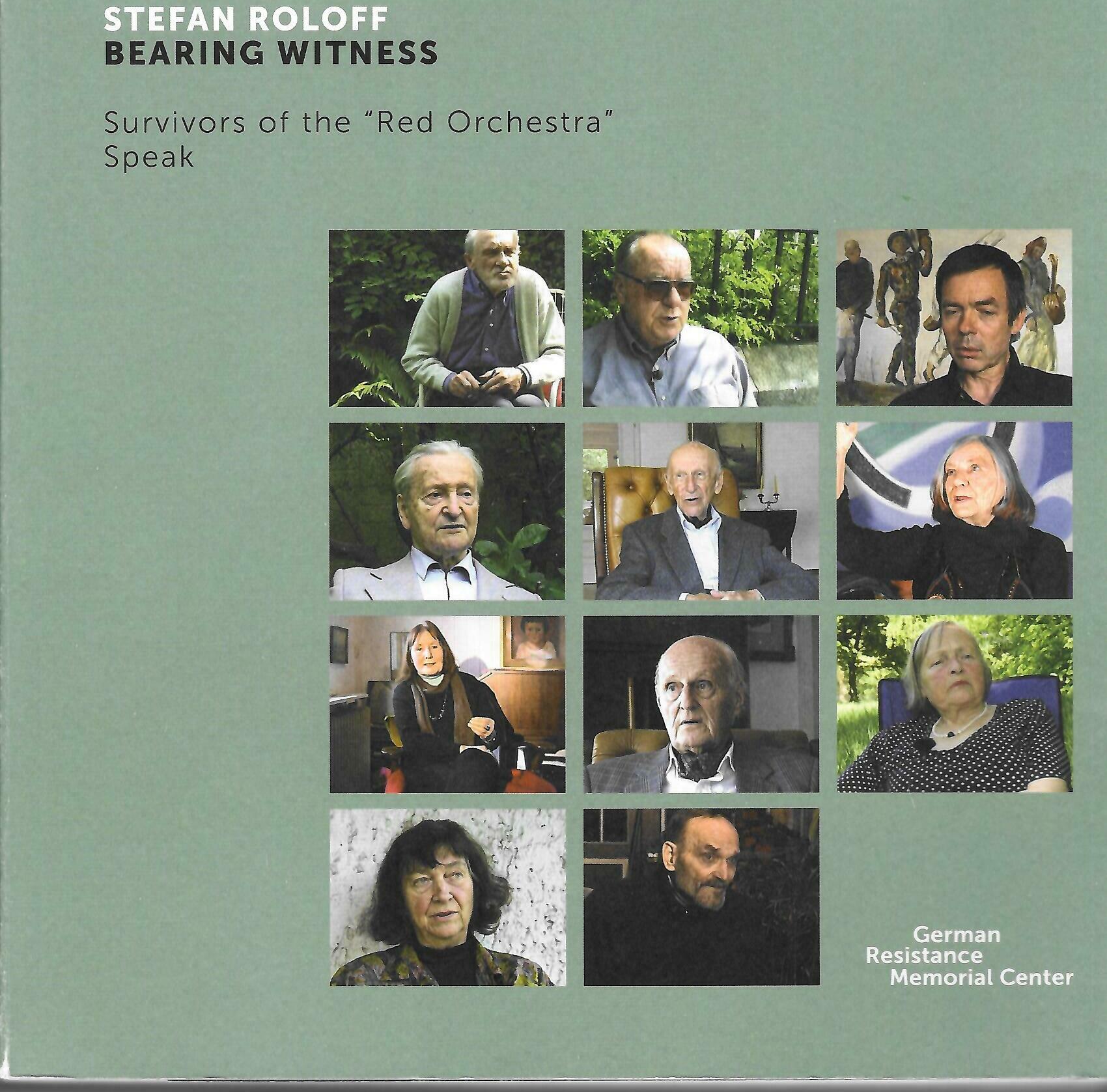
The Red Orchestra
The Red Orchestra is a selection of essays and interviews with the families of members of the German resistance movement who resisted Nazism. Some of the orchestras say the movement was not a coherent organisation but was so called because the Nazis wanted to taint them as Communists. Many of the 'Orchestra' were executed, and often the survivors were misrepresented after the War and received little recognition.
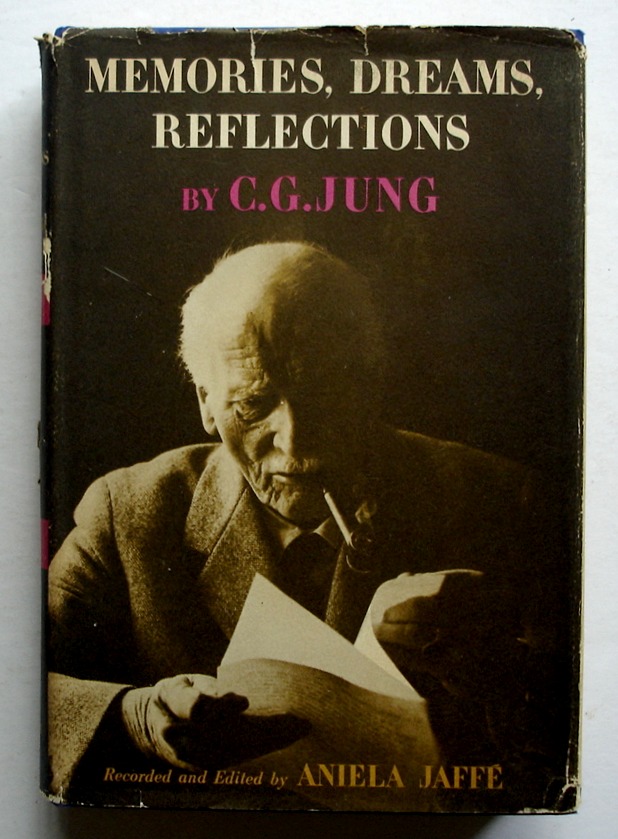
Memories, Dreams and Reflections
C. G. Jung's, Memories, Dreams and Reflection purports to be Jung's autobiography although some of it was probably written by one of his female associates. It traces Jung's upbringing as a Lutheran to his becoming an analytical psychologist and his break with Sigmund Freud. Freud argued that sexual impulse was primary, while Jung took a more spiritual approach. He developed the ideas of archetypes, shadow and light, and the collective unconscious, amongst many.
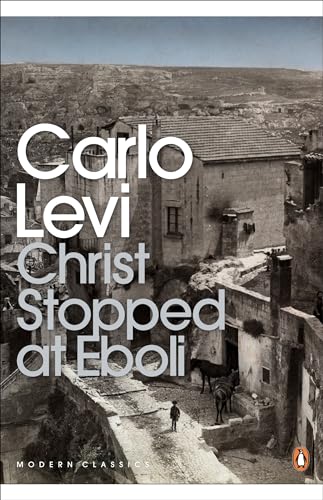
Christ stopped at Eboli
Christ stopped at Eboli is an autobiographical novel by journalist and painter, Carlo Levi, who was exiled to a remote Italian village in the south by Mussolini on account of his anti-fascist views. Despite the title of the book Levi found a basic humanitarian affection amongst the local people who cared for him. He was able to offer the village his limited medical skills. He encountered a mixture of Catholic faith and primitive beliefs in the environment. Levi was amnestied by the government and returned to northern Italy.
The Common Bible
The Common Bible published in 1973 covered both the Catholic and the Protestant tradition and was based on the Revised Standard Version or RSV. It has been regarded as the most accurate translation of the Bible. It was based initially on the King James Bible and owes a debt to these early scholars from the Sixteenth Century who convened at the Hampton Court Conference of 1604.
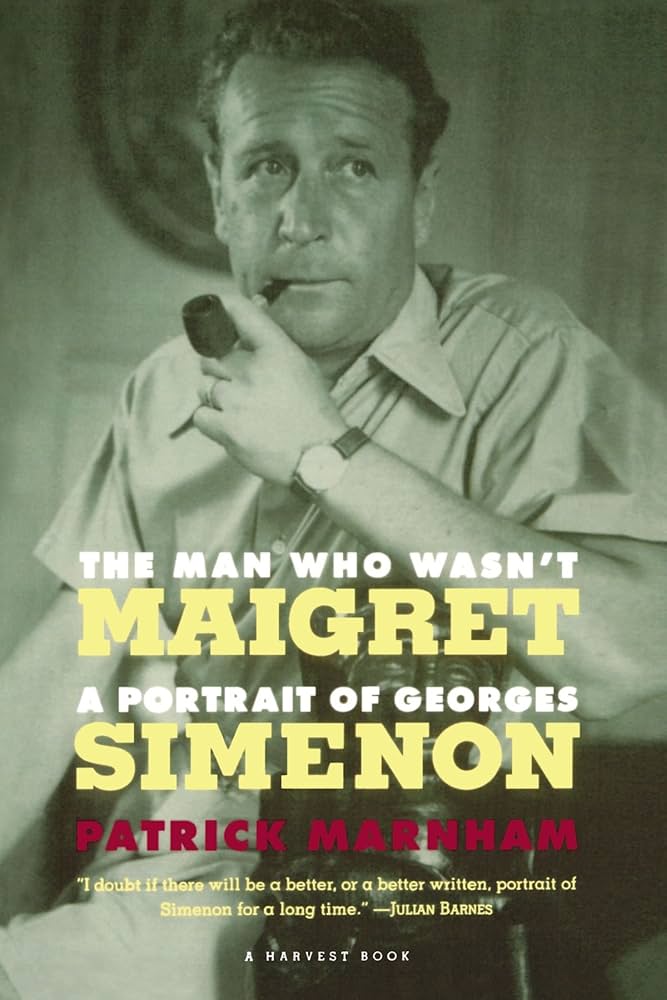
The man who wasn't Maigret: a portrait of Georges Simenon
The man who wasn't Maigret: a portrait of Georges Simenon by Patrick Marnham is a biography of the novelist who demonstrated light and darkness in his writings and in his personality. A prolific womaniser his most famous character Maigret the detective frequently saw the goodness and humanity co-existed in the criminal. Christ's aphorism that what 'I want is mercy not sacrifice' is a true adage in Maigret.
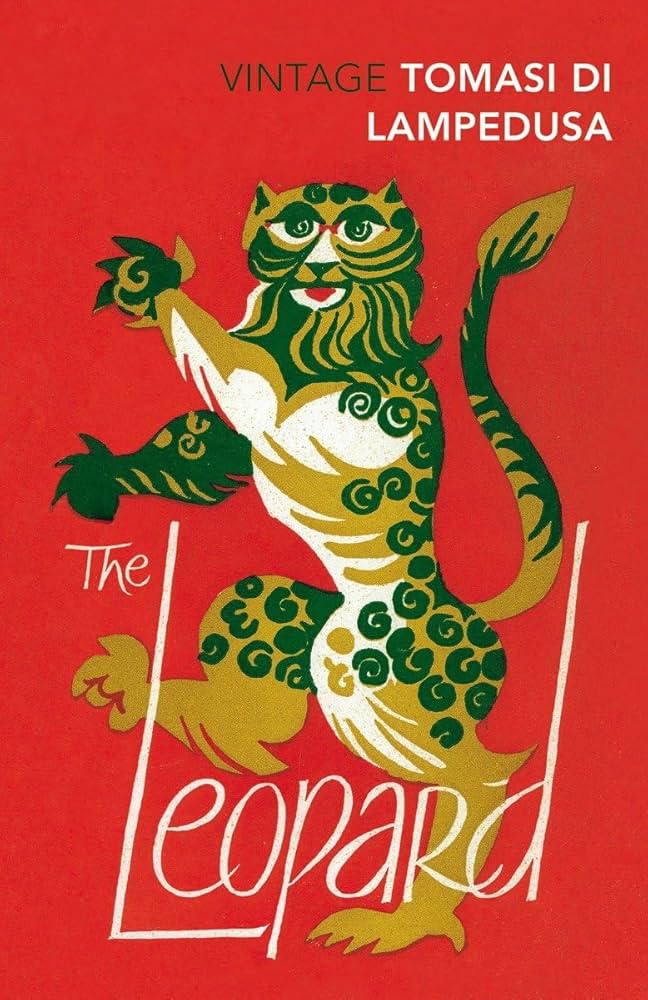
The Leopard
The Leopard by Giuseppe de Lampedusa is a novel about the Italian unification. The Leopard of the title is a Sicilian aristocrat who views events with scepticism. His famous quote is that "everything must change so that everything will stay the same." His jaundiced view of events made him unpopular amongst liberals in the post-war climate of Italy, and he struggled to find a publisher. The book only came out posthumously, when it was regarded as a masterpiece. The novel was immortalised in the film staring Sophia Loren and Burt Lancaster.
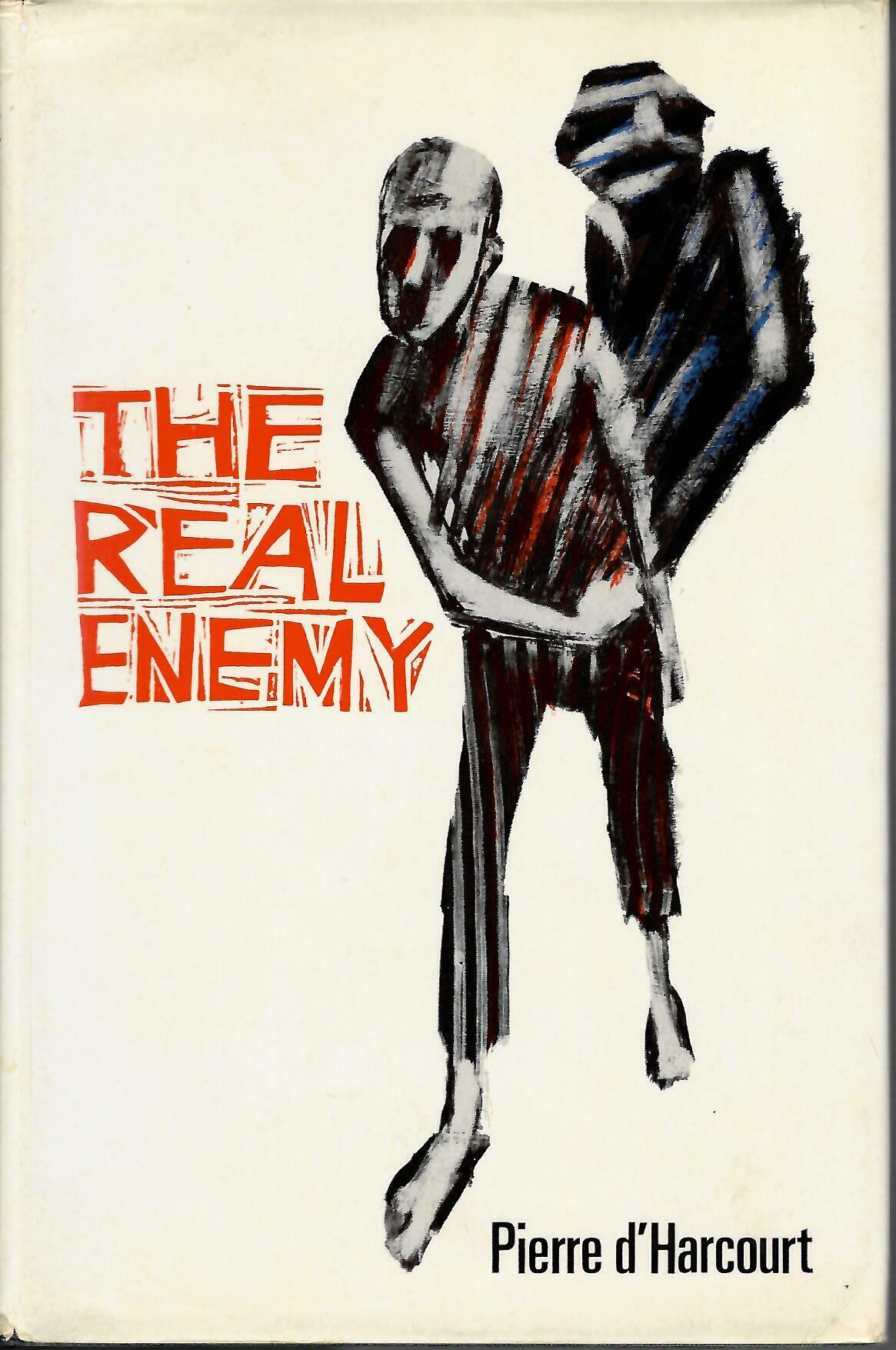
The Real Enemy
The real enemy is an account by a Roman Catholic member of the French Resistance, who was imprisoned in Buchenwald Concentration camp. He was in part protected by pressure mounted from home, but he witnessed the gruesome life and death of many prisoners. The real enemy was the individual prisoner and not the guards or communist prison leaders. He viewed the liberation of the camp with scepticism.
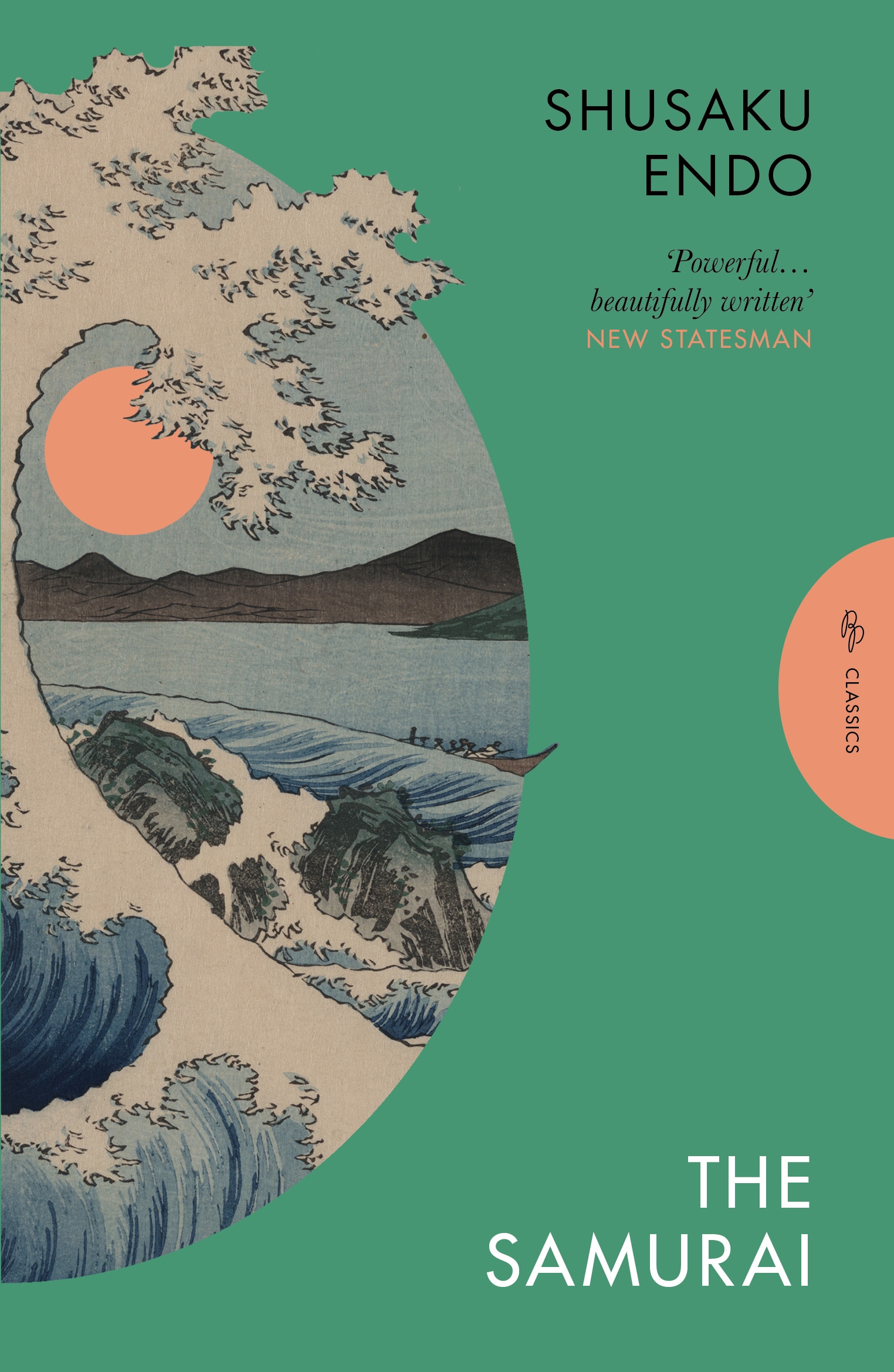
Samurai
Samurai is by the Catholic Japanese novelist, Shushaku Endo. A samurai is selected to join an expedition to Europe to establish closer relations with European countries. After a long voyage across the Pacific, the American isthmus and the Atlantic they reach Rome. Here the Samurai becomes a Catholic but without conviction. When the expedition returns to Japan after many months, it is to find that the political climate has changed and Christians are now persecuted. The Samurai finds himself facing execution for his conversion.
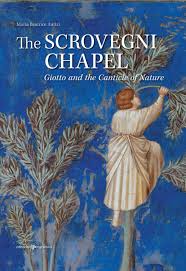
The Scrovegni Chapel: Giotto and the Canticle of Nature
The Scrovegni Chapel: Giotto and the Canticle of Nature by Maria Beatrice Autizi is a beautiful and well-researched description of this Padua chapel. It describes in particular the works of Giotto in the chapel. Giotto's grasp of nature and the intricate and loving depictions of art in nature are a revelation. They remind us deeply of his work in Assisi. They help us understand Pope Francis devotion of to Francis of Assisi, and the late Pope's devotion the plant of Jesus Christ, and of the need to cherish our environment.
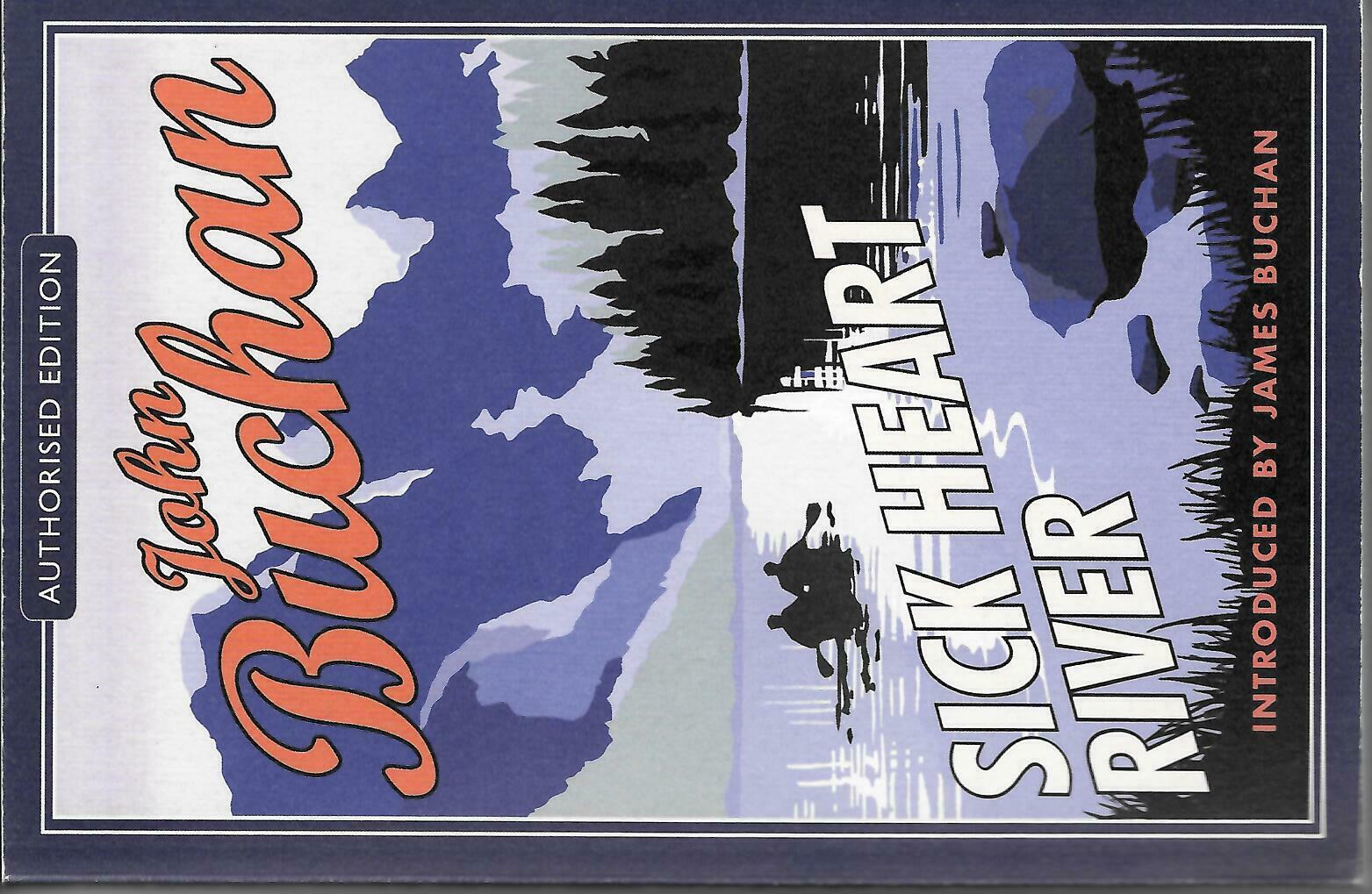
Sick Heart River
John Buchan was the famous Scottish writer of 'The 39 Steps.’ In ‘Sick Heart River’ the hero is terminally ill (as was the author) and he goes to the Canadian Arctic to find the husband of a friend who has disappeared. He succeeds and saves a sick tribe of Indians who are dying of despair. He saves them and then dies.
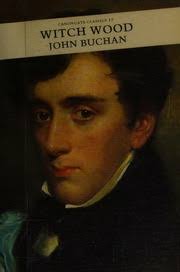
Witch Wood
Buchan describes a young Protestant minister who is sent to a country parish in the Lowlands of Scotland where he uncovers a nest of witchcraft. He fights this, but is only redeemed by a young Catholic girl and the royalist Marquis of Montrose. The latter is from the opposite end of the political spectrum.
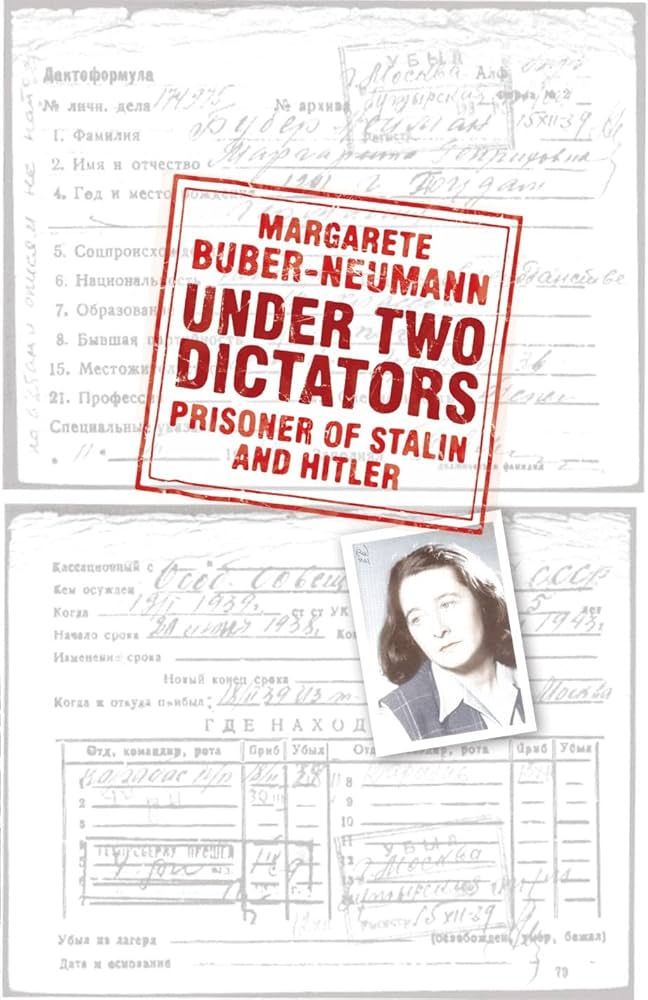
Under Two Dictators: Prisoner of Stalin and Hitler
The author was a German Communist who was imprisoned successively by Stalin and Hitler in concentration camps. She survives by a mixture and ingenuity and courage and is released at the end of the Second World War. She crosses Germany surviving many dangers to be reunited with her family.
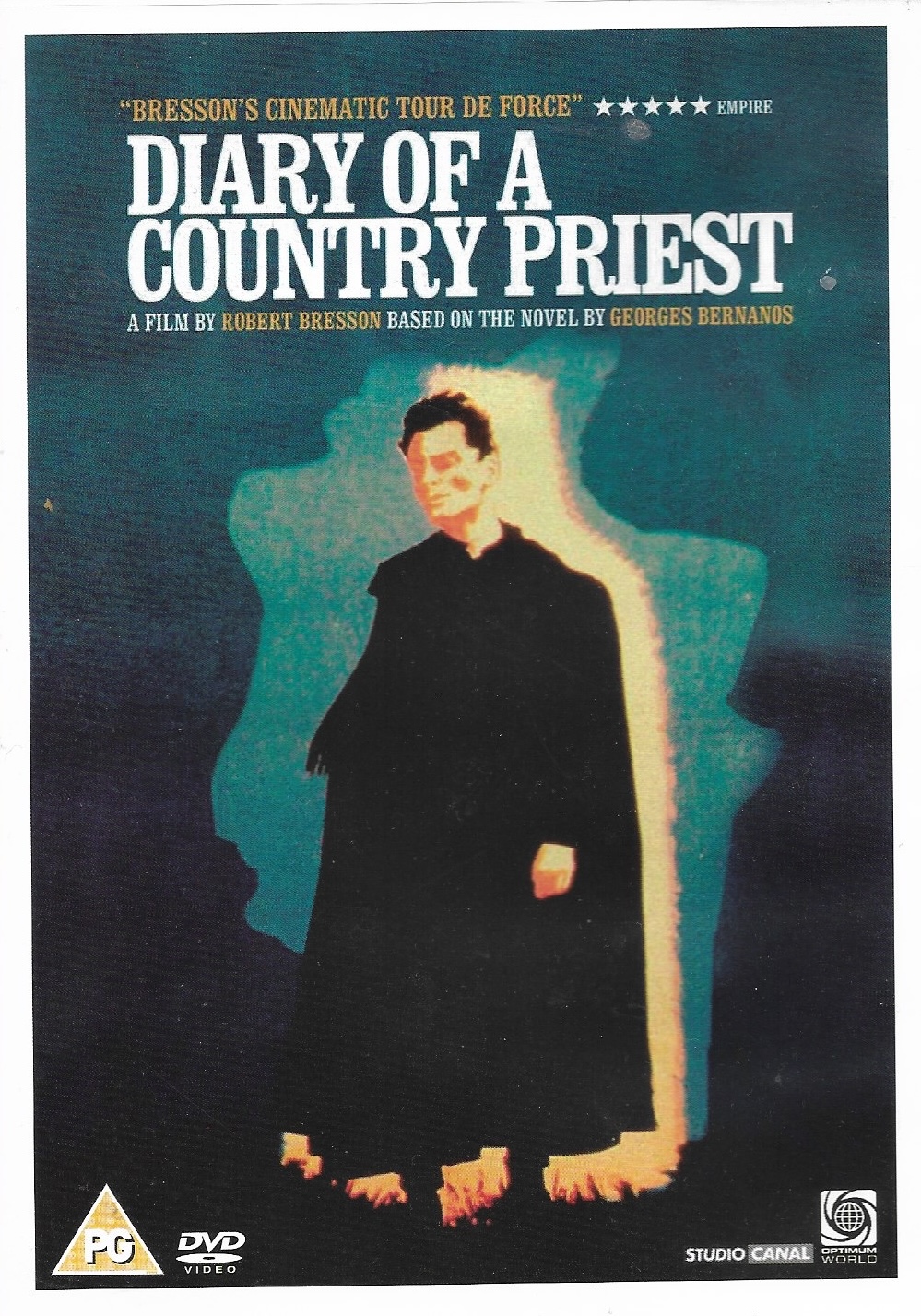
Diary of a Country Priest
Georges Bernanos (died 1946) was a French Catholic writer who began his life as a political right-winger but rejected this position after he witnessed nationalist atrocities in Spain. In ‘The diary of a country priest’ is sent to a bleak village in Northern France where he encounters resentment. His only allies are a naughty young girl preparing for Communion and a doctor who commits suicide. He is diagnosed as being terminally ill and is cared for by an ex-seminarian and the latter’s girlfriend. His last words are All is grace. The booked was filmed in black and white by Robert Bresson.
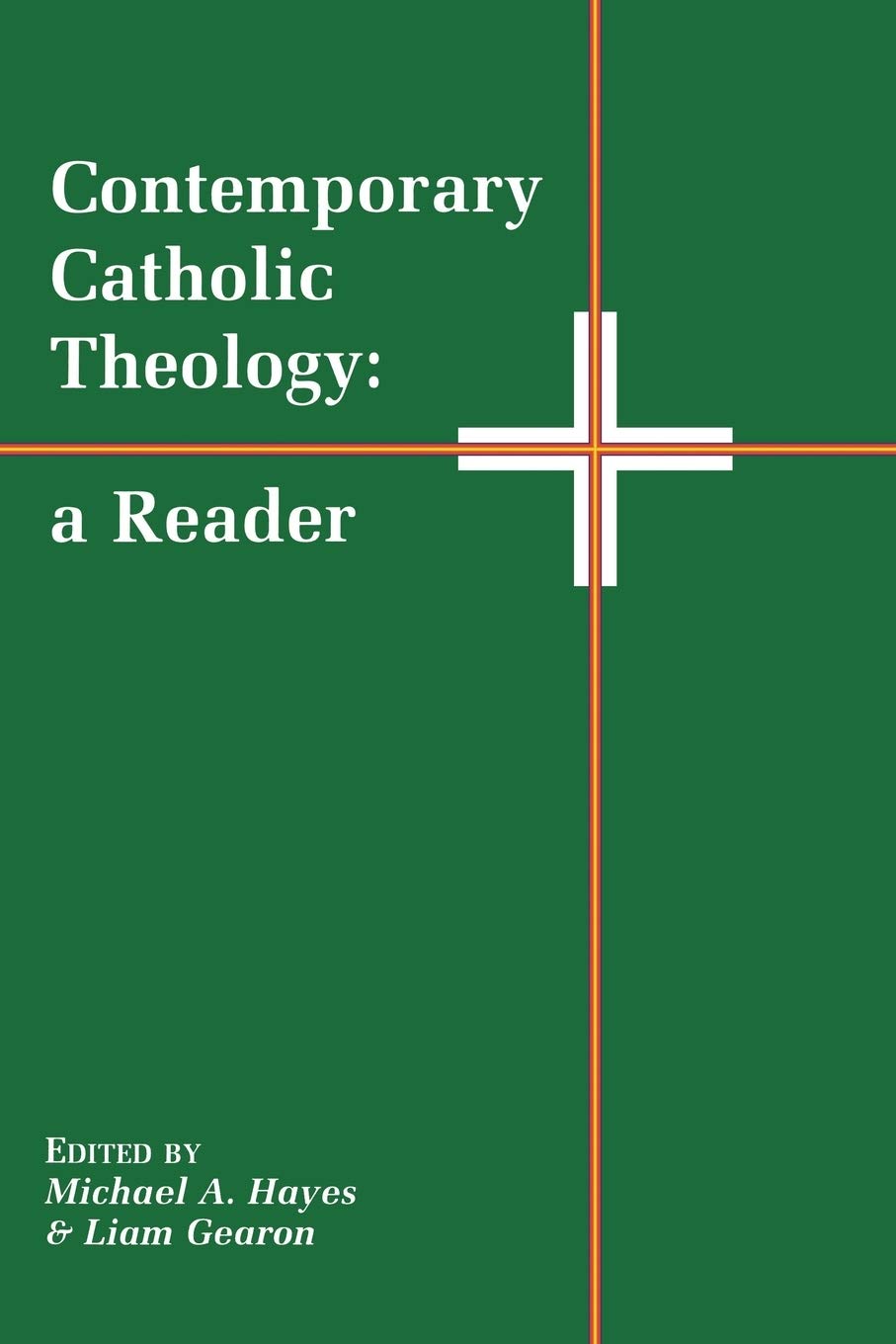
Contemporary Catholic Theology, a Reader
Contemporary Catholic Theology: A Reader, edited by Michael A. Hayes and Liam Gearon, serves as an essential introduction to Catholic theological thought. The work brings together key texts from distinguished scholars and theologians including several Jesuits and religious scholars. The volume explores six major areas: the Old Testament, the New Testament, the Person of Jesus, the Church, Christian Morality, and the Sacraments. Contributors include renowned theologians such as Raymond Brown, Joseph Fitzmyer, and Richard McBrien. The collection has been praised for offering a readable and balanced overview suitable for undergraduate students, parish study groups, and religious educators seeking to understand contemporary Catholic theological thinking.